What began as a drizzly autumn morning, soon blossomed into a day full of potential and purpose. Volunteers joined forces with Naturelinks Staff at the old tip cell on Elizabeth Avenue, Capel Sound, for a meaningful revegetation effort. The transformation of this former waste site into a thriving wildlife haven is well underway. Through the ongoing removal of invasive weed species and encouragement of indigenous flora, the area is steadily reclaiming its natural identity. Over … Read More
In mid-2014, Naturelinks began ground works in a key area located in the North West corner of the Police Point reserve. Despite facing challenges from introduced woody weeds, the area was previously identified by the Mornington Peninsula Shire, Natural Systems team as being particularly ‘High quality’ due to its largely intact vegetation structure of Coast Moonah Woodland. This area, classified as a Threatened Plant Community (EVC), held great potential for restoration with structured/staged management, especially … Read More
Our Australian landscape has been historically shaped by fire in many ways. The plants and animals have evolved adaptations to cope with fire, and many even need fire to survive. However, the role of climate change and habitat loss combined, conditions globally are rapidly changing. Fires this season have been incredibly intense, you can’t help but wonder how will our ecosystem cope? An article done by Melbourne University “Why Australia’s severe bushfires may be bad news … Read More
At Naturelinks we are lucky to work in some great ecosystems including grasslands. As many of you know, grasslands have an incredible amount of biodiversity and plant gems (Photos below: Pimelea spinosa (classified as endangered) and Eryngium ovinum), but unfortunately grasslands are some of the most undervalued ecosystems. “Grasslands: Biodiversity of south-eastern Australia”: is an amazing resource for those interested in gaining a better understanding of the diversity, distribution and information on the various grasslands that … Read More
Eichhornia crassipes Highlighted in the latest newsletter of Weed Spotters is one of the world’s most invasive aquatic weeds – Water hyacinth. Native to South America, the water hyacinth was brought over as an ornamental plant to Australia in 1890s. It has now costed billions of dollars yearly to control as it infests freshwater bodies across the globe. Water hyacinth are characterised by their swollen, air-filled stem that helps maintain buoyancy in the water; large attractive mauve flowers, that have a … Read More
Last Friday you were either part of, or witnessed one of the largest protest to have occurred in Australia demanding for climate action. In light of this event, I thought I’d share with you some science on the effects and what to expect of climate change on our environment. The environment as a whole is resilient and more so will adapt to the changes coming – with species loss and disrupted communities- thus altering the natural environment we know today. Increased … Read More
A small group of early-adopter Bushland Managers across Victoria gathered in early May to exchange ideas about how software was changing the way they managed the spaces in their care. The minutes from the forum can be downloaded here. In this article we feature 5 evolving approaches. Works Reporting at Merri Creek Tony Faithful presented some ground-breaking practices around Works Reporting in Merri Creek. Armed with Windows tablets toughened for use in the field, the … Read More
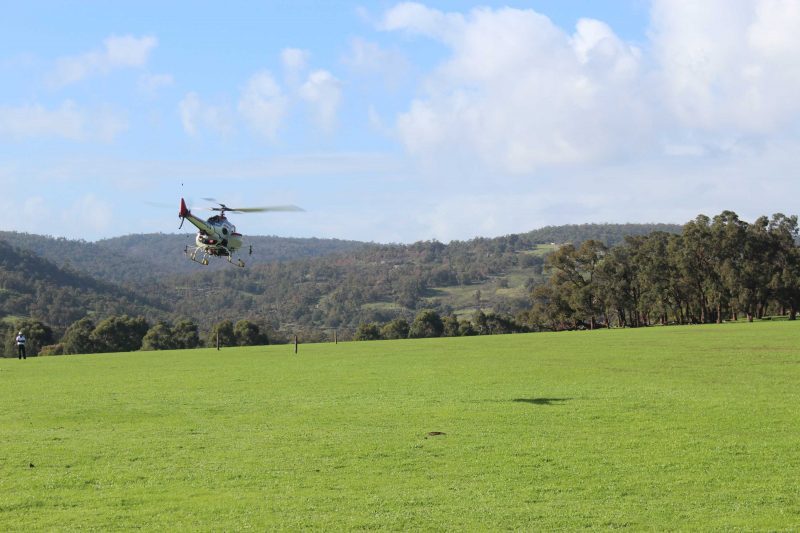
This article was taken from the ABC news website. High profile court cases over the use of weed killer glyphosate are pushing farmers to investigate new ways of managing weeds to meet consumer expectations. Following similar trials in the US, Australian legal action has been launched against agribusiness giant Monsanto — acquired last year by German company Bayer — by a Melbourne gardener who claims his cancer was caused by the herbicide Roundup. Ongoing questions about the … Read More

Naturelinks has an ongoing relationship with a number of Friends Groups, and The Green Army, and we have been working together for many years. Through the direct coordination and communication between our Bushland Management Team, local water authorities and Volunteer groups, we strive to achieve our long term goals of biodiversity and sustainability in everything we do. One such project is the Urban Fringe at Arthurs Seat. The ongoing Urban Fringe Grant is a joint … Read More

Following a significant disturbance event of high intensity browsing by, most likely, Swamp Rats, the last known population of Dainty Wasp Orchid had crashed to under 20(leaf pair) individuals. Two strategies were employed to allow the DWO to clonally re-establish a colony. Firstly a protective mesh was laid over the extent of the population as a physical barrier to browsing. Secondly, biomass of Bracken and Thatch Saw Sedge was slashed to presumably deter movement near … Read More